
Table of Contents
Introduction
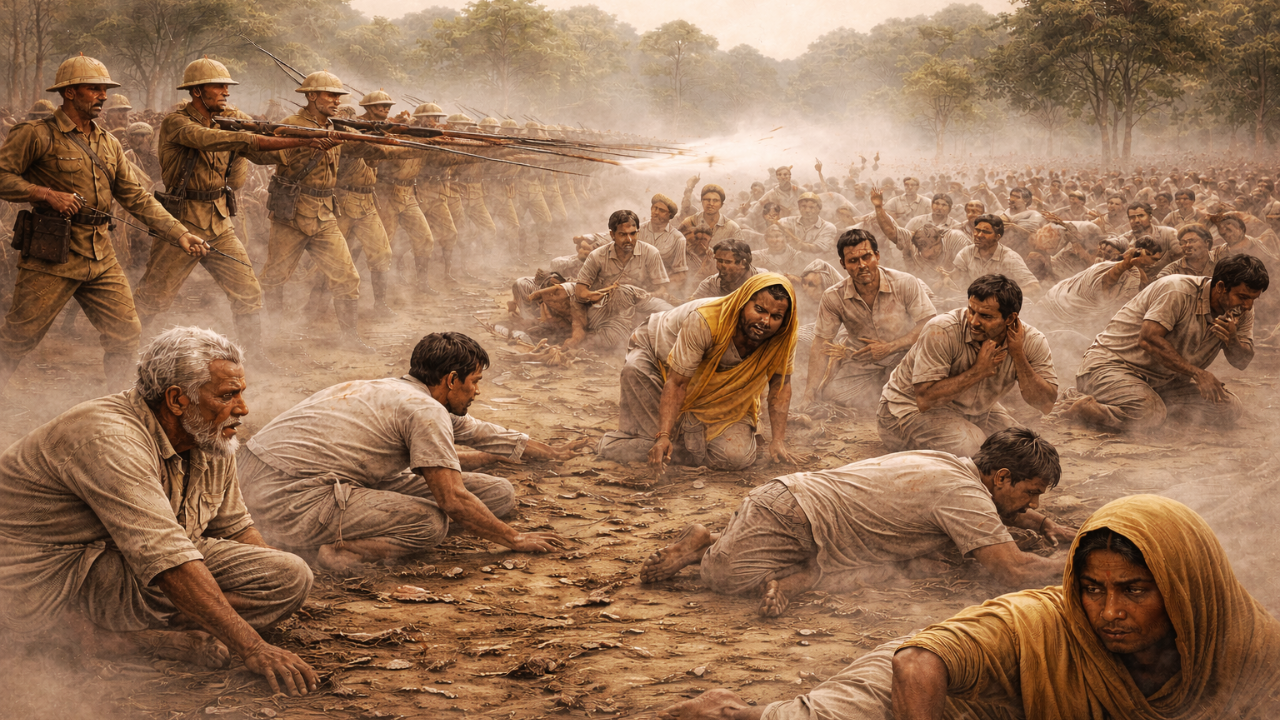
On 28 January 1894, the quiet village of Patharughat in Darrang district witnessed one of the darkest chapters in Assam’s history. This event, known as the Patharughat Uprising (1894), saw farmers already struggling with poor harvests suddenly burdened with a 70–80% increase in land revenue tax imposed by the British. Hoping for justice, they gathered peacefully to voice their grievances. Instead of dialogue, they faced bullets. The massacre that followed is remembered as Patharughatar Ran (পথৰুঘাটৰ ৰণ) — the Jallianwala Bagh of Assam.
Background of the Revolt
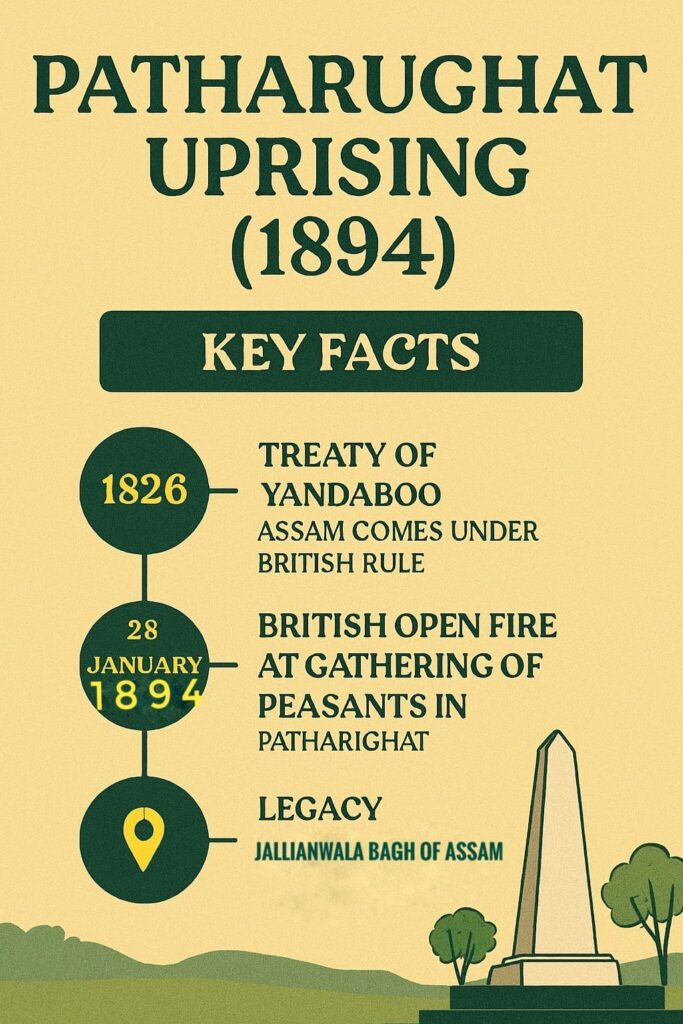
After the Treaty of Yandaboo in 1826, Assam came under British control. The colonial administration introduced land surveys and revenue systems that placed heavy burdens on farmers. By 1893, the British authorities announced a steep increase in land revenue, raising taxes by nearly seventy to eighty per cent. This decision came at a time when peasants were already struggling with poverty and poor harvests. Appeals and petitions were submitted to the government, but they were ignored, leaving the farmers frustrated and desperate. The atmosphere in rural Assam grew tense, and Patharughat became the focal point of this growing discontent.
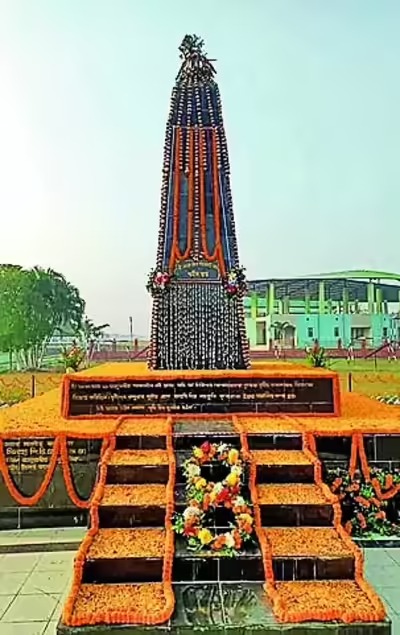
Patharughat Swahid Stambha in Darrang
The exact memorial site of the Patharughat Uprising is located at Patharighat (earlier called Patharughat), in Darrang district, Assam. It is about 20 km from Mangaldai town and roughly 60 km northeast of Guwahati, situated on the north bank of the Brahmaputra River. The site is marked by the Patharughat Swahid Stambha (Martyrs’ Column), also known as the Shaheed Minar, which was erected to honour the peasants who were killed during the uprising.
The Day of the Uprising
On 28 January 1894, thousands of peasants gathered at Patharughat to protest against the unjust tax hike. The assembly was peaceful, with farmers hoping to present their grievances and seek relief. However, instead of listening to their demands, the British authorities ordered troops to open fire on the unarmed crowd. The sudden gunfire caused chaos and panic, and many peasants were killed or injured on the spot. What was meant to be a peaceful protest turned into a massacre, leaving behind grief and anger that echoed across Assam.
Significance of Patharughat
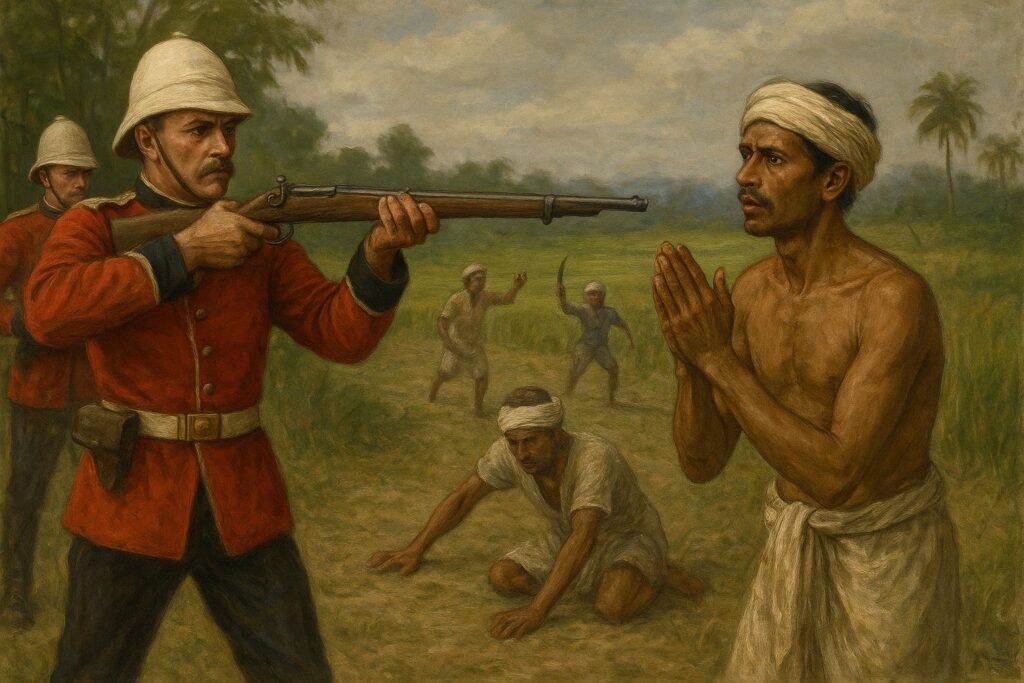
The Patharughat Uprising holds a special place in Assam’s history as one of the earliest organized peasant revolts against colonial exploitation. It revealed the determination of Assamese farmers to resist injustice, even when faced with brutal force. The incident is often compared to the Jallianwala Bagh massacre of 1919, as both involved unarmed civilians being fired upon during peaceful gatherings. Today, Patharughat is remembered not only as a site of tragedy but also as a symbol of courage, sacrifice, and the unyielding spirit of Assam’s people.
📌 Key Facts for Exams
- Date: 28 January 1894
- Location: Patharughat, Darrang district, Assam
- Cause: Unjust increase in land revenue tax (70–80%)
- Nature: Peaceful protest, brutally suppressed by the British firing
- Legacy: Known as Patharughatar Ran, called Assam’s Jallianwala Bagh
Conclusion
The Patharughat Uprising of 1894 is a reminder of how ordinary farmers stood up against injustice, even at the cost of their lives. For students, it is not just a historical event but a lesson in courage, sacrifice, and the fight for dignity.
Did You Know?
- British colonial records tried to downplay the number of deaths, but local memory preserves the scale of the tragedy.
- Patharughat is often called the “forgotten revolt”, because it rarely appears in mainstream Indian history books.
- The uprising is commemorated every year as Krishak Swahid Divas (Farmers’ Martyrs Day) in Assam.
FAQ Section –
What was the Patharughat Uprising of 1894?
The Patharughat Uprising was a peasant revolt in Assam against a steep increase in land revenue tax imposed by the British. Farmers gathered peacefully but were fired upon, leading to a massacre.
Why is Patharughat called Assam’s Jallianwala Bagh?
Like the Jallianwala Bagh massacre of 1919, the Patharughat incident involved unarmed civilians being shot during a peaceful protest, making it Assam’s version of that tragedy.
Where is the Patharughat memorial located?
The memorial, known as PatharughatSwahid Stambha (Shaheed Minar), is in Darrang district, Assam, about 20 km from Mangaldai and 60 km northeast of Guwahati.
How is the Patharughat Uprising remembered today?
It is commemorated every year as Krishak Swahid Divas (Farmers’ Martyrs Day) in Assam, honouring the peasants who sacrificed their lives.
What caused the Patharughat revolt?
The revolt was triggered by a 70–80% hike in land revenue tax during a time of poor harvests and poverty, leaving farmers desperate and angry.