
Table of Contents
Introduction:
UNESCO Sites in India 2026 highlight the nation’s most important cultural, historical, and natural landmarks that are officially recognized and protected under the UNESCO convention. With the latest additions — Sarnath in Uttar Pradesh, the Moidams of Assam, and Raigad Fort in Maharashtra — India’s total count has now reached 45 World Heritage Sites. These sites reflect India’s diverse legacy and are frequently asked about in competitive exams like UPSC, APSC, ADRE 3.0 and more such important exams, for current affairs also most important topic, by making this updated 2026 list a valuable resource for students and heritage enthusiasts alike.
World Heritage Sites in India by UNESCO:
India now has 45 World Heritage Sites — including 37 cultural sites, 7 natural sites, and 1 mixed site. The newest entries are the Moidams of the Ahom Dynasty (2024), the Maratha Military Landscapes (2025), and Sarnath (2026). The Archaeological Survey of India (ASI) is the nodal agency that forwards proposals for World Heritage status. After scrutiny, the Government submits nomination dossiers to UNESCO’s World Heritage Centre.
The World Heritage Committee is the decision‑making body of UNESCO that meets annually to evaluate nominations and monitor the state of conservation of inscribed sites.

- In 2024, the 46th session was held in New Delhi, India (July 21–31, 2024). This was historic because India hosted the Committee for the first time, and during this session the Moidams of the Ahom Dynasty (Assam) were inscribed.
- In 2025, the Committee added the Maratha Military Landscapes to the list.
- In 2026, during its 48th session, the Committee inscribed Sarnath (Uttar Pradesh), bringing India’s total to 45 World Heritage Sites.
New UNESCO Sites India 2026:
#1 Sarnath
Year: 2026
Location: Uttar Pradesh
Importance:
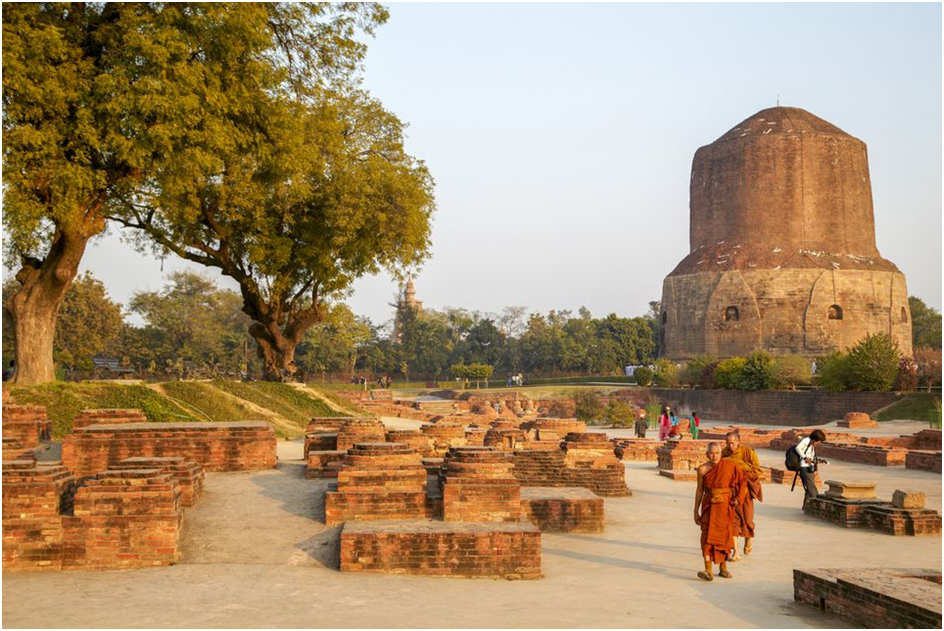
On July 2026, during the 48th session of the UNESCO World Heritage Committee, Sarnath was inscribed as India’s 45th World Heritage Site. This site is globally revered as the place where Lord Buddha delivered his first sermon after enlightenment.
About Sarnath:
- Location: Near Varanasi, Uttar Pradesh
- Components:
- Dhamek Stupa (built in 5th century CE)
- Ashokan Pillar (Mauryan period)
- Monastic ruins and Buddhist temples
- Significance:
- Central to the spread of Buddhism worldwide.
- Reflects India’s spiritual and cultural contribution to humanity.
#2 The Maratha Military Landscapes
Year: 2025
Location: Maharashtra & Tamil Nadu
Importance:
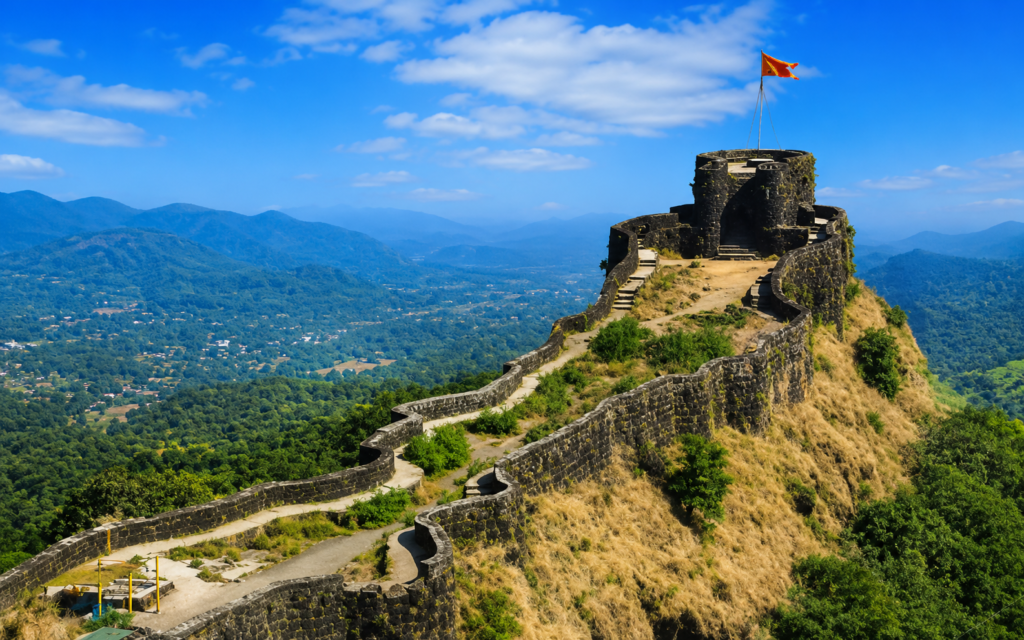
On July 2025, at the 47th session of the UNESCO World Heritage Committee, the Maratha Military Landscapes were inscribed, becoming India’s 44th World Heritage Site. This recognition highlights the strategic and architectural brilliance of the Maratha Empire.
About the Maratha Military Landscapes:
- Location: Spread across Maharashtra and Tamil Nadu
- Components: Forts, hilltop defenses, and military structures built between the 17th–18th centuries
- Significance:
- Demonstrate the Marathas’ mastery of military architecture and landscape adaptation.
- Include iconic forts such as Raigad, Shivneri, and Gingee.
- Symbolize resistance and resilience against Mughal and colonial powers.
#3 The Moidams of the Ahom Dynasty:
Year: 2024
Location: Assam
Importance:
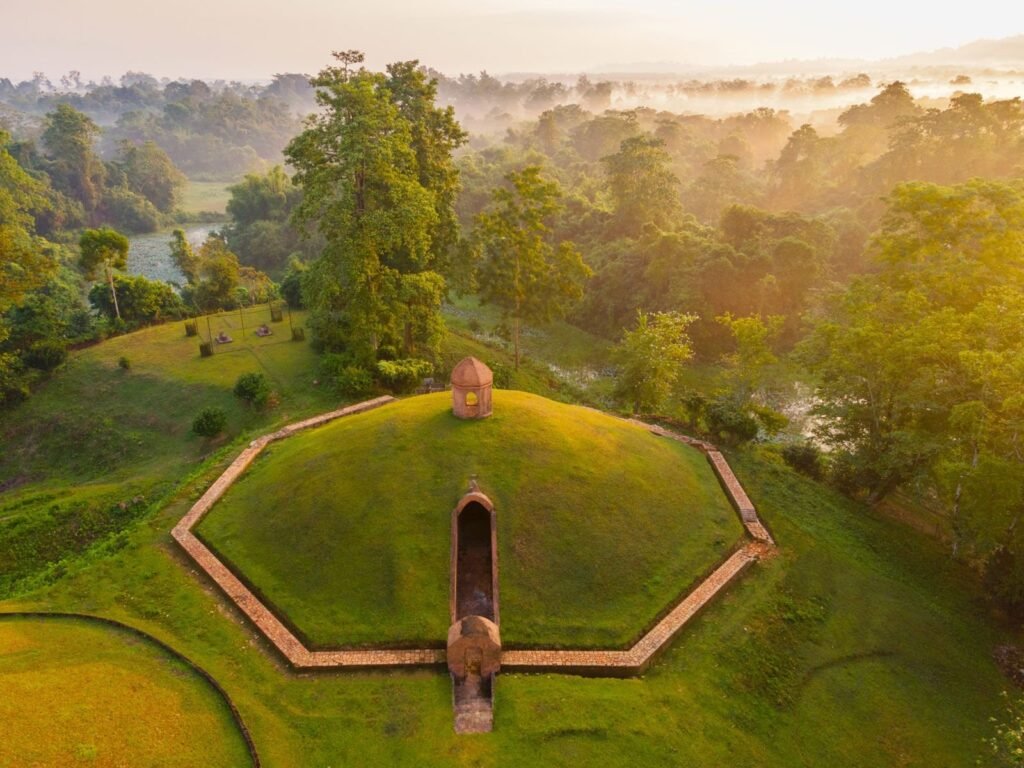
On July 24, 2024, during the 46th session of the UNESCO World Heritage Committee held in New Delhi, India, the Moidams – Mound Burial System of the Ahom Dynasty were inscribed on the UNESCO World Heritage List. This marked India’s 43rd World Heritage Site and highlighted Assam’s unique cultural heritage.
About the Moidams of the Ahom Dynasty:
- Location: Charaideo district, Assam
- Components: Burial mounds of Ahom kings and nobles dating back to the 13th–19th centuries
- Significance:
- Represent the funerary traditions of the Ahom kingdom.
- Showcase a blend of Indo‑Mongoloid and local Assamese culture.
- Considered sacred heritage sites, reflecting Assam’s historical depth and identity.
All 42 UNESCO World Heritage Sites in India Table:
Before the 2026 additions, India already had 42 UNESCO World Heritage Sites. For detailed descriptions and historical insights, see our full 2024 coverage here:
World Heritage Sites In India (Updated 2024) » Gkfunda
Conclusion:
With the inclusion of Sarnath, the Moidams of Assam, and Raigad Fort in 2026, India now proudly hosts 45 UNESCO World Heritage Sites. This milestone reflects the country’s rich cultural and natural legacy, recognized on a global stage. For readers who wish to explore the earlier 42 sites recognized up to 2024, you can find our detailed coverage in link given above.
FAQs for UNESCO Sites in India 2026
India has 43 UNESCO World Heritage Sites as of 2026, including three new additions: Sarnath, Moidams of Assam, and Raigad Fort.
The new sites added in 2026 are Sarnath (Uttar Pradesh), Moidams (Assam), and Raigad Fort (Maharashtra).
Maharashtra has the highest number of UNESCO World Heritage Sites in India, including Ajanta Caves, Ellora Caves, Elephanta Caves, Chhatrapati Shivaji Terminus, and now Raigad Fort.
The first sites inscribed in India were Ajanta Caves and Ellora Caves in 1983.
They are frequently asked in UPSC, SSC, State PSC, and Banking exams under GK and Current Affairs, especially when new sites are added.
- Cultural Sites: Historical monuments, temples, forts (e.g., Taj Mahal, Konark Sun Temple, Raigad Fort).
- Natural Sites: Protected areas, national parks (e.g., Kaziranga National Park, Sundarbans).